Running a NEMT, or Non-Emergency Medical Transport company, comes with risks. While you can’t control things like other drivers on the road, emergent medical issues with your patients, and similar problems, you can control one key factor: your drivers. As it turns out, many of the issues that arise with an NEMT company come down to the people who spend the majority of their time on the road driving your NEMT vehicles.
Want to reduce your company’s risk on the road? Here’s how you can mitigate those potential risks.
Screen Your Candidates
The first method of eliminating risks involves screening your candidates. It’s important to examine their backgrounds thoroughly, ensuring that they can handle the patient-facing role of a NEMT driver. You also need to do a drug and alcohol screening, as well as an official criminal background check and an examination of their previous jobs. Another thing to consider is their overall physical fitness, because of the need to lift patients and assist them with getting on and off of the vehicle.
The Next Step: Onboarding
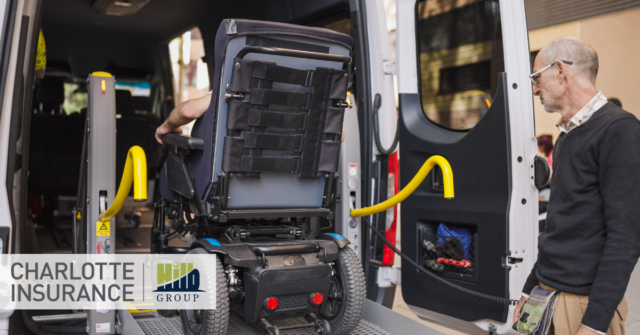
Your work isn’t done after you’ve hired drivers. The next step requires you to successfully onboard them with an orientation program and plenty of training. This training should include some basics on patient interactions, as well as ADA regulations, wheelchair handling instructions, and a checklist of how patients should be secured in vehicles. Additional topics, like driving with patients in mind, as well as how to avoid distracted driving, should also be a part of the onboarding plan.
Follow Specific Safety Procedures
Drivers need to be taught how to follow safety procedures during the onboarding process. This requires many more checklists for them to go through every time they prepare for their shift. For example, a pre-trip inspection checks the brakes, tires, lift, headlights and brake lights, and more. A checklist for what to do during patient pick up and drop off, as well as information on how to prevent falls when assisting passengers, is also crucial. Finally, you need to have an incident response plan that explains when to call 911, when and how to notify a supervisor, the best methods of documenting the incident, and more.
Consistent Training
Remember that the training never stops for a NEMT company. After training ends, it’s important to conduct regular checks, such as ride-alongs and evaluations at the 30- and 90-day marks in order to catch minor errors before they escalate into larger problems. Things like quarterly training refreshes and occasional coaching as needed can also help.
The Importance of Documentation
Along with all of the other trainings included with onboarding, it’s important to go over the documentation process as well. By having incident packets for the drivers to fill out when something happens, your company will be able to easily gather all of the information needed for any insurance claim process.
Have Questions? Contact Charlotte Insurance
Want to learn more about the special insurance policies that NEMT companies must have in order to legally operate and mitigate risks? Contact Charlotte Insurance. Our agents can explore and explain all available options and put together the insurance coverage plan your business needs.