
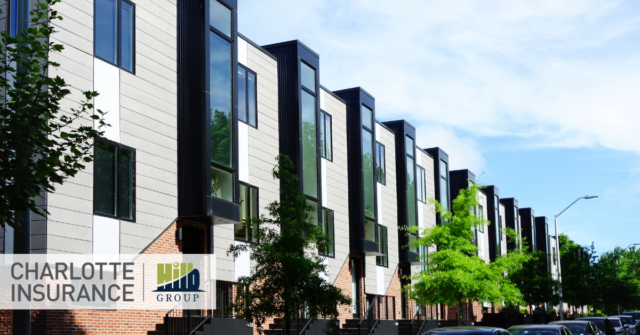
When a condo or HOA unit burns down, is hit by a vicious windstorm, or anything else occurs resulting in a covered insurance loss, there are obviously some expenses to consider. One of them is the price of a new building or condo unit that meets updated building code requirements.
Although older buildings can be grandfathered into these codes, meaning that they are exempt from having to follow them, this is entirely negated when the building is a complete loss and must be reconstructed from the ground up. In many cases, there isn’t enough insurance coverage to ensure that the new building meets code, so things get complicated.
What Are Building Codes?
Every city, county, and state has building codes that must be followed. These codes are designed to ensure the occupants’ safety, as well as the safety of their visitors and those living around them. You can’t just replace your missing house or condo with a building that doesn’t meet the codes. The problem isn’t so much following the codes as it is paying for those upgrades. When your new building is constructed to replace the lost one, your builders must follow code where windows, roofing, doorways, and more are concerned, regardless of the price. Your organization or the homeowners may end up paying for this out of pocket if your insurance coverages aren’t high enough.
The Problem with Condos and HOAs
Not only do condos, especially those in high-rise buildings, often have outdated features that aren’t up to code, but they are in larger buildings that have more codes applied to them. When you add in the complications of local codes that need to be followed and upgraded and place them in the context of a multi-unit structure, you end with quite a headache, particularly if some of the code upgrades need to be placed throughout the building, not just the damaged units.
Add in insurance complications, like the fact that the owners of each unit have their own insurance plans that may apply, plus the HOA more than likely does as well, which make it even trickier to determine whose insurance covers what and for how much.
Dealing with Coverage Issues
Not only does the confusion between the master policy (owned by the HOA) and the unit owner’s policy make it extremely difficult to figure out which policies are responsible for which parts of the reconstruction, but if those policy limits are collectively set too low, you may end up not having enough insurance reimbursement to pay for the reconstruction and those code upgrades. It’s important to ensure that you keep code upgrades in mind when setting up insurance policy limits.
Have Questions? Contact Charlotte Insurance
Want to learn more about having the right insurance coverage for your HOA or condo? Contact Charlotte Insurance. Our agents can explore and explain all available options and put together the insurance coverage plan your building needs.